Integrity Exteriors & Remodelers | Andover, MN | Roofing | Siding | Windows | Remodeling

Roofing FAQs
- Experienced Roofers
- Affordable Rates
- Satisfaction GURANTEED
- Locally Owned & Operated

80 Frequently Asked Questions about Roofing
- How long does a roof typically last? Most asphalt shingle roofs last 20-30 years, while metal roofs can last 40-70 years, slate and tile roofs 50-100 years, and wood shakes 25-30 years. Lifespan depends on material quality, installation, climate, and maintenance.
- How much does a new roof cost? Costs vary significantly by location, material, and home size. Asphalt shingles typically run $5,000-$15,000 for an average home, while premium materials like slate or metal can cost $15,000-$40,000 or more.
- When should I replace my roof? Replace when you have widespread shingle damage, multiple leaks, sagging areas, granule loss exposing the mat, or when repair costs exceed 25% of replacement cost. Age is also a factor – if your roof is near the end of its expected lifespan.
- What are the signs I need roof repairs? Look for missing or damaged shingles, granules in gutters, water stains on ceilings, sagging roof lines, damaged flashing around chimneys or vents, moss or algae growth, and daylight visible through roof boards.
- Can I install a new roof over existing shingles? Sometimes, but it’s generally not recommended. While building codes often allow one layer over existing shingles, it adds weight, can hide underlying problems, and may void warranties. Complete tear-off is usually better.
- What’s the best roofing material? There’s no single “best” material – it depends on your climate, budget, and preferences. Asphalt shingles offer good value, metal provides durability, tile works well in hot climates, and slate offers premium longevity.
- How do I choose a roofing contractor? Verify licensing and insurance, check references and online reviews, get multiple written estimates, ensure they’re local and established, and avoid door-to-door solicitors or those demanding full payment upfront.
- What should I expect during roof installation? Expect 1-5 days of work depending on size and complexity, noise and debris, protection of landscaping and property, daily cleanup, and a final inspection. Good contractors will communicate the schedule and process clearly.
- Do I need a permit for roofing work? Most areas require permits for full roof replacement, but simple repairs often don’t. Requirements vary by location, so check with your local building department before starting work.
- How do I maintain my roof? Clean gutters regularly, trim overhanging branches, remove debris, inspect for damage after storms, ensure proper attic ventilation, address moss or algae growth, and schedule professional inspections every few years.
- What causes roof leaks? Common causes include damaged or missing shingles, worn flashing around chimneys or vents, clogged gutters causing ice dams, poor installation, normal wear and tear, and storm damage.
- How do I find a roof leak? Start by checking the attic during or after rain, looking for water stains, wet insulation, or dripping. On the exterior, examine shingles, flashing, and gutters. Remember that water can travel, so the leak source may be uphill from where you see damage inside.
- Can I repair my roof myself? Simple repairs like replacing a few shingles might be DIY-friendly for experienced homeowners, but roofing is dangerous and mistakes can be costly. Most work is best left to professionals, especially anything involving structural issues or multiple areas.
- What is roof flashing and why is it important? Flashing is metal or synthetic material installed around roof penetrations (chimneys, vents, skylights) and joints to direct water away. It’s critical because these areas are vulnerable to leaks – proper flashing prevents water infiltration.
- How important is roof ventilation? Very important. Proper ventilation prevents ice dams, reduces cooling costs, prevents moisture buildup that can cause mold and rot, and extends shingle life by reducing heat buildup in summer.
- What are ice dams and how do I prevent them? Ice dams form when snow melts on warm roof areas and refreezes at cooler eaves, potentially causing water backup and leaks. Prevent them with proper insulation, ventilation, and sometimes heating cables in problem areas.
- Should I remove snow from my roof? Generally no – removal can be dangerous and may damage shingles. Most roofs are designed to handle normal snow loads. If you’re concerned about excessive weight, hire professionals with proper equipment.
- What’s the difference between a roof repair and replacement? Repairs address specific problems in limited areas, while replacement involves installing an entirely new roof system. Repairs are appropriate for localized damage, while replacement is needed for widespread issues or old roofs.
- How do I prepare for a roofing project? Remove or protect belongings in the attic, trim landscaping near the house, arrange for pets/children to be elsewhere during noisy periods, and ensure contractors have clear access to your property.
- What warranty should I expect on roofing work? Material warranties typically range from 20 years to lifetime depending on the product. Labor warranties should be at least 2-5 years. Get all warranties in writing and understand what’s covered.
- How does weather affect roofing installation? Rain stops work immediately, high winds are dangerous, extreme cold makes materials brittle, and extreme heat can be unsafe for workers. Good contractors monitor weather and adjust schedules accordingly.
- What questions should I ask potential roofing contractors? Ask about licensing, insurance, references, timeline, cleanup procedures, warranty details, material specifications, total cost breakdown, and how they handle unexpected issues or weather delays.
- How do I know if my roof has hail damage? Look for dented gutters, damaged air conditioning units, dented car surfaces, and bruised or cracked shingles. Hail damage isn’t always immediately visible, so have a professional inspection after significant storms.
- What’s the best time of year for roofing work? Late summer and fall are often ideal – weather is typically stable, it’s after storm season, and contractors may have better availability than in busy spring months. However, emergency repairs should be done immediately regardless of season.
- How do gutters relate to roofing? Gutters are part of your roof water management system. Clogged or damaged gutters can cause water backup, ice dams, and roof damage. They should be maintained and may need replacement when you replace your roof.
- What is roof pitch and why does it matter? Roof pitch is the angle or slope of your roof. It affects water drainage, snow load capacity, material choices, and installation methods. Steeper pitches generally shed water and snow better but may be more expensive to work on.
- Can I install solar panels on any roof? Most roofs can accommodate solar panels, but factors like age, condition, material type, pitch, and orientation affect feasibility and efficiency. It’s often best to replace an aging roof before installing solar panels.
- What causes algae or moss on roofs? Moisture, shade, and organic debris create conditions for algae and moss growth. While primarily cosmetic on asphalt shingles, moss can lift shingle edges and retain moisture, potentially causing damage over time.
- What’s the difference between organic and fiberglass shingles? Organic shingles use a paper mat base while fiberglass shingles use a fiberglass mat. Fiberglass shingles are more common now due to better fire resistance, lighter weight, and generally lower cost, though both can perform well.
- How do I handle insurance claims for roof damage? Document damage with photos, contact your insurance company promptly, get professional inspections, obtain estimates from reputable contractors, and keep detailed records throughout the process.
- What are cool roofs and are they worth it? Cool roofs reflect more sunlight and absorb less heat than standard roofs, potentially reducing cooling costs. They can be worth it in hot climates but may increase heating costs in cold climates. Consider your local climate and energy costs.
- How do I prevent animals from nesting in my roof? Seal entry points, install proper vent covers, trim tree branches away from the roof, and address any existing damage promptly. Regular inspections help identify potential animal access points before they become problems.
- What should I do immediately after storm damage? Ensure safety first, document damage with photos, contact your insurance company, make temporary repairs to prevent further damage (like tarping), and get professional inspections before making permanent repairs.
- How can I improve my roof’s energy efficiency? Consider reflective shingles, proper ventilation, adequate insulation, radiant barriers in hot climates, and ensuring air sealing between your home and attic. These measures can reduce both heating and cooling costs while extending roof life.
- What are architectural shingles vs. 3-tab shingles? Architectural shingles are thicker, more durable, and have a dimensional appearance that mimics wood or slate. 3-tab shingles are thinner, less expensive, and have a flat, uniform appearance. Architectural shingles typically last longer and offer better wind resistance.
- How do metal roofs compare to asphalt shingles? Metal roofs last longer (40-70 years vs. 20-30), are more energy efficient, and handle extreme weather better. However, they cost more upfront and can be noisier during rain or hail. They’re excellent for areas with severe weather or high energy costs.
- What are the pros and cons of tile roofing? Tile roofs are extremely durable, fire-resistant, and excellent for hot climates. They can last 50+ years and add significant curb appeal. However, they’re heavy (requiring structural support), expensive to install, and can be brittle in freeze-thaw climates.
- Is slate roofing worth the cost? Slate can last 100+ years, is fire-resistant, and provides unmatched elegance. It’s worth it for historic homes or when planning to stay long-term. However, it’s very expensive, heavy, and requires specialized installation and repair expertise.
- What is TPO roofing and when is it used? TPO (Thermoplastic Polyolefin) is a single-ply membrane system typically used on flat or low-slope commercial roofs. It’s energy-efficient, durable, and relatively affordable for flat roof applications.
- How do cedar shakes compare to other materials? Cedar shakes offer natural beauty and good insulation properties. They last 25-30 years with proper maintenance. However, they require regular treatment, are fire-prone in some areas, and can be expensive to maintain.
- What is EPDM roofing? EPDM (Ethylene Propylene Diene Monomer) is a rubber roofing membrane commonly used on flat roofs. It’s durable, weather-resistant, and relatively affordable, but primarily used for commercial or flat residential applications.
- Are composite shingles a good option? Composite shingles made from recycled materials can mimic the look of wood, slate, or tile at a lower cost. They’re environmentally friendly and often come with good warranties, though they’re newer to the market with less long-term data.
- What is roof decking and when does it need replacement? Roof decking is the wooden boards or plywood that supports your roofing material. Replace it if you find rot, sagging, water damage, or if it doesn’t meet current building codes. This typically adds significant cost to roofing projects.
- What is an ice and water shield? Ice and water shield is a waterproof membrane installed under shingles in vulnerable areas like eaves, valleys, and around penetrations. It provides extra protection against ice dams and wind-driven rain.
- How important is proper attic insulation for roofing? Critical. Proper insulation prevents ice dams, reduces energy costs, and helps maintain consistent roof temperatures. Inadequate insulation can cause premature shingle aging and moisture problems.
- What are roof valleys and why are they important? Valleys are where two roof planes meet at an angle, creating a channel for water runoff. They’re critical because they handle large volumes of water and are prone to leaks if not properly installed or maintained.
- What is ridge venting and do I need it? Ridge vents run along the peak of your roof and work with soffit vents to create airflow through your attic. They’re essential for proper ventilation in most climates and help prevent ice dams and moisture problems.
- What are soffit and fascia, and how do they relate to roofing? Soffits are the underside of roof overhangs, and fascia are the boards that cap the rafter ends. They provide ventilation (soffits) and protect roof edges from weather while supporting gutters (fascia).
- What is step flashing? Step flashing consists of individual pieces of metal flashing installed where the roof meets a vertical wall, like around chimneys or dormers. Each piece overlaps the next to direct water away from the joint.
- How long does roof installation typically take? Most residential roofs take 1-3 days for asphalt shingles, though complex roofs, bad weather, or premium materials can extend this to a week or more. Size, pitch, and material type are major factors.
- What happens if it rains during roof installation? Reputable contractors monitor weather and protect your home with tarps if rain is expected. Work typically stops during rain, and wet conditions may delay installation for safety reasons.
- How do contractors protect my property during roofing? Good contractors use tarps to protect landscaping, magnetic tools to collect nails, temporary fencing around work areas, and protective covers for outdoor furniture, vehicles, and air conditioning units.
- What is tear-off vs. roof-over installation? Tear-off removes all existing roofing materials down to the decking before installing new materials. Roof-over installs new shingles over existing ones. Tear-off is generally preferred for better results and warranty coverage.
- How do roofers work safely on steep roofs? Professional roofers use safety harnesses, roof brackets, safety ropes, and proper footwear. They may also use scaffolding or boom lifts for extremely steep or high roofs. Never attempt steep roof work yourself.
- What is the installation process for asphalt shingles? The process includes tear-off (if needed), deck inspection and repair, underlayment installation, drip edge installation, valley and flashing work, shingle installation starting from the bottom, ridge cap installation, and final cleanup.
- How are gutters integrated with roofing installation? Gutters are typically installed after roofing is complete, though the fascia boards they attach to may be replaced during roofing. Proper coordination ensures gutters align correctly with the roof edge.
- How often should I have my roof inspected? Have professional inspections every 2-3 years, after major storms, and annually if your roof is over 15 years old. You can do basic visual inspections from the ground more frequently.
- What should I look for during a roof inspection? Check for missing, cracked, or curling shingles, exposed nails, damaged flashing, clogged gutters, granule loss, sagging areas, and signs of water damage in the attic.
- Can I walk on my roof to inspect it? It’s generally not recommended due to safety risks and potential damage to shingles. Use binoculars from the ground, check from a ladder (safely), or hire professionals for close-up inspections.
- How do I clean my roof safely? For moss or algae, use gentle cleaning solutions and low-pressure washing. Never use high-pressure washers or harsh chemicals. Consider hiring professionals for safety and to avoid damage.
- When should I clean my gutters in relation to roof maintenance? Clean gutters at least twice yearly (spring and fall) and after major storms. Clean gutters are essential for proper roof drainage and preventing water damage.
- How do I know if my roof needs immediate attention? Signs requiring immediate action include active leaks, missing shingles after storms, sagging roof areas, damaged flashing around chimneys, or any situation where weather could cause further damage.
- What are the challenges of flat roof maintenance? Flat roofs require more frequent inspection and maintenance because water doesn’t drain as readily. Common issues include ponding water, membrane damage, and problems around drains and penetrations.
- How do I handle roofing on a historic home? Historic homes may require special permits, matching materials, and preservation guidelines. Work with contractors experienced in historic restoration and check local historic district requirements.
- What special considerations exist for mobile home roofing? Mobile homes often have different structural requirements, lower weight capacity, and may need specialized materials or installation techniques. Ensure contractors understand mobile home construction.
- How do green roofs work and are they practical? Green roofs feature living vegetation over a waterproof membrane. They provide insulation, manage stormwater, and reduce urban heat. However, they require specialized installation, ongoing maintenance, and structural support.
- What about roofing for unusual architectural features? Complex roofs with multiple dormers, turrets, or unusual angles require experienced contractors and typically cost more due to increased complexity, specialized flashing, and longer installation times.
- What factors affect roofing costs the most? Major cost factors include roof size, material choice, pitch/complexity, local labor costs, permit requirements, tear-off needs, and any required structural repairs or upgrades.
- How do I get accurate roofing estimates? Get written estimates from at least three licensed contractors, ensure they include all materials and labor, ask about potential additional costs, and verify what’s covered in the warranty.
- Is financing available for roofing projects? Many contractors offer financing options, and homeowners can explore personal loans, home equity loans, or specialized home improvement financing. Compare terms and interest rates carefully.
- How can I save money on roofing without compromising quality? Consider timing (off-season discounts), get multiple quotes, choose mid-grade materials over premium, handle some prep work yourself, and maintain your current roof to extend its life.
- What safety equipment do professional roofers use? Professional equipment includes safety harnesses, hard hats, non-slip boots, roof brackets, safety ropes, first aid kits, and sometimes scaffolding or boom lifts for complex jobs.
- What building codes apply to roofing? Building codes vary by location but typically cover structural requirements, fire resistance, wind resistance, ventilation requirements, and installation standards. Your contractor should be familiar with local codes.
- Are there HOA restrictions on roofing materials? Many homeowners associations have restrictions on colors, materials, or styles. Check your HOA guidelines before selecting materials and get written approval if required.
- What OSHA regulations affect roofing work? OSHA requires fall protection for work over 6 feet, proper ladder use, hazard communication, and other safety standards. These regulations protect workers but may affect project timelines and costs.
- What makes a roof environmentally friendly? Eco-friendly features include recycled or sustainable materials, energy-efficient design, proper insulation, reflective surfaces to reduce heat island effects, and materials that can be recycled at end of life.
- How do roof color and material affect energy costs? Light colors reflect heat and reduce cooling costs, while dark colors absorb heat. Material type also matters – metal roofs typically reflect heat better than asphalt shingles.
- What is a radiant barrier and when is it useful? Radiant barriers are reflective materials installed in attics to reduce heat transfer. They’re most beneficial in hot, sunny climates and can reduce cooling costs by 5-10%.
- How does proper roofing affect indoor air quality? Good roofing with proper ventilation prevents moisture buildup that can lead to mold and mildew. Proper installation also prevents air leaks that can affect HVAC efficiency.
- What questions should I ask before signing a roofing contract? Ask about total cost, timeline, materials specifications, warranty details, cleanup procedures, licensing and insurance, change order policies, and payment schedules.
Roof Replacements & Repairs
Living in Elk River means dealing with a variety of weather conditions that can take a toll on your roof. From heavy snowfall in the winter to strong summer storms, your roof needs to be in top shape to protect your home. We specialize in roof repair & replacement in Elk River, MN, using high-quality materials from top brands like GAF and Owens Corning. Our certified and insured contractors conduct thorough inspections to identify issues early, ensuring that your roof remains sturdy and secure.
Window Replacement & Installation
Having the right windows can make all the difference in your bills. At Integrity Exteriors & Remodelers, we offer professional window replacement & installation services featuring energy-efficient options from trusted brands like Pella and Marvin. Our team ensures a perfect fit and seamless installation, enhancing your home’s insulation and reducing noise. With a variety of styles to choose from, we can help you find the perfect windows to complement your home’s design and improve its overall comfort.
Siding Services
The exterior of your home is the first thing people notice, and high-quality siding can significantly enhance its appearance while providing essential protection. We offer a range of siding options, including vinyl, fiber cement, and wood siding from reputable brands like LP SmartSide and James Hardie. In Elk River, MN, where the weather can be unpredictable, durable siding is crucial. We provide expert installation to ensure your home looks great and stands up to the elements.
Commercial Exterior Remodeling Elk River
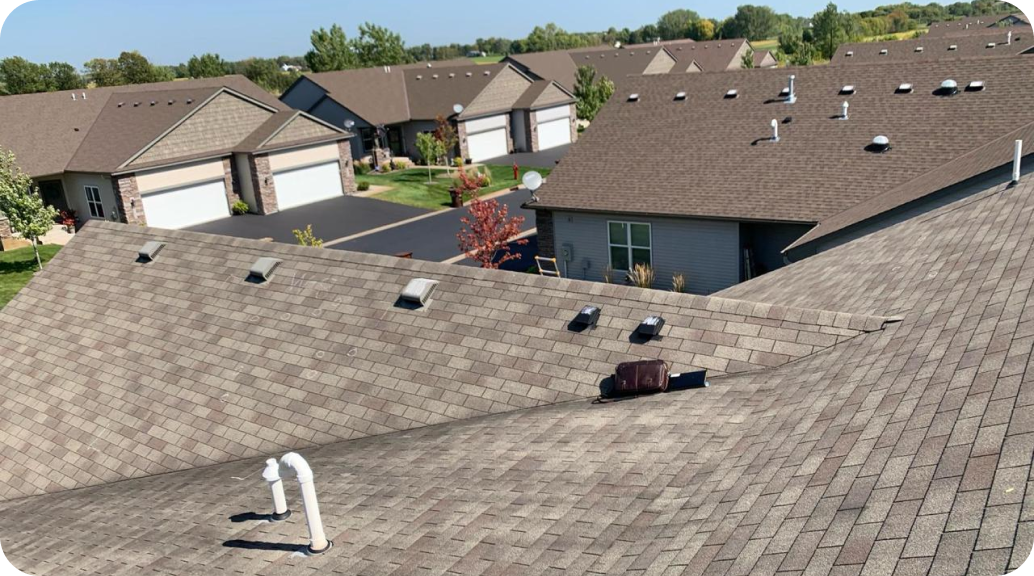
Businesses in Elk River, MN, need to maintain a professional and appealing exterior to attract customers and ensure smooth operations. We specialize in commercial exterior remodeling services tailored to meet the unique needs of your business. Our efficient project management minimizes disruption to your daily operations, allowing you to continue business as usual while we transform your exterior. From retail stores to office buildings, we’ve got you covered.
Steel And Metal Roofing
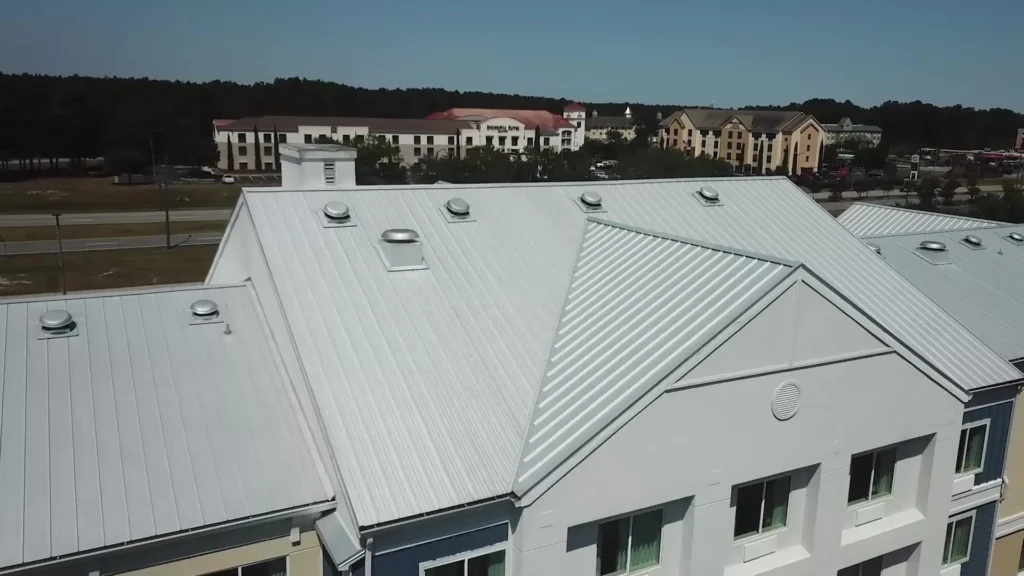
Investing in steel roofing for your commercial property is a smart decision that enhances durability and boosts energy efficiency, all while giving your building a sleek, professional look. At Integrity Exteriors & Remodelers, we offer steel roofing solutions that withstand harsh weather conditions like heavy snowfall and strong winds, ensuring your business stays protected year-round. Our experienced team ensures precise installation, providing you with a long-lasting roof that lowers cooling costs and reduces maintenance needs.
Commercial Roof Replacement
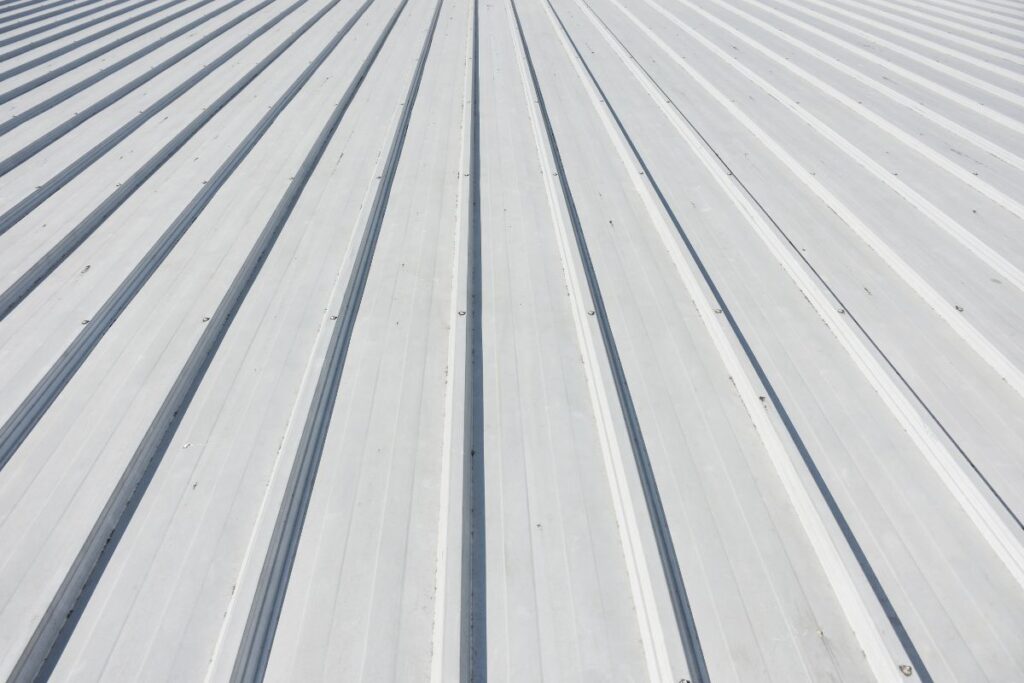
Our commercial roof replacement services in Elk River, MN, are designed to handle the specific demands of commercial buildings. We use top-grade materials from brands like Firestone Building Products and Johns Manville to provide durable and energy-efficient roofing solutions. Our experienced contractors are skilled in managing large-scale projects, ensuring timely and professional service. With regular maintenance and inspections, we help extend the life of your roof, saving you money in the long run.
Book Your Free Consultation Today!
Don’t wait – contact us today to schedule a consultation or book your service. Our friendly team is here to guide you through every step of the process, from initial consultation to project completion.
Why Our Customers ❤️ Us!
Don’t just take our word for it – hear what our satisfied clients have to say about their experience with Integrity Home Exteriors:
Review Us On

Get in touch
Contact Us
Office Mail
Integrityext@ymail.com
Office Number
(763) 753-2246
Office Address
17758 Palm St NW, Andover, MN 55304

With an office in Andover, Minnesota, Integrity Exteriors & Remodeling is your go-to company for home improvements. We can fix your roof, upgrade your siding, or install new windows and doors; we’ve got you covered!
Get in Touch
- 17758 Palm St, Andover, MN 55304
- +1 (763) 753-2246
- integrityext@ymail.com
- Mon-Sat: 9:00am - 5:00 pm